
Why Should Lyons, NY Homeowners Protect Their Roofs During Renovations?
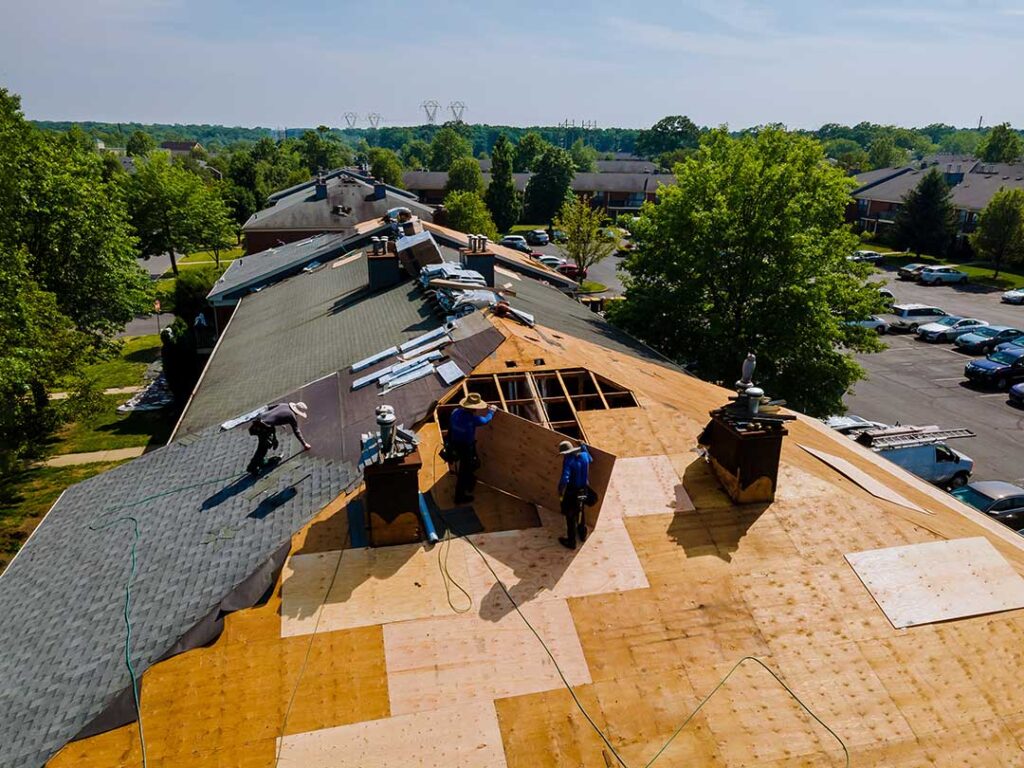
Protecting the existing roof is essential when renovating a home in Lyons, NY. Renovation work frequently exposes roofs to risks like debris, foot traffic, and weather. Without simple precautions, homeowners may face preventable repairs or costly water damage.
Many area homes have roofs designed for local weather—snow, rain, wind, and temperature swings all play a part in wear and tear. Renovation activities often temporarily void built-in protections, making the roof vulnerable even during short-term projects.
What Are Common Risks to Roofs During Renovation?
Renovations introduce several hazards that can compromise the integrity of a roof:
- Falling Debris: Tools, materials, or old building components can drop and puncture roofing.
- Heavy Foot Traffic: Extra weight and frequent walking may crack shingles or weaken decking.
- Exposure to Weather: Removed or shifted shingles, vents, or flashing often leave gaps where water can sneak in.
- Dust and Chemicals: Construction dust or chemicals (like paint or solvents) can settle and degrade roofing materials, especially asphalt shingles and membranes native to the area.
- Improper Temporary Modifications: At times, holes or gaps are purposely made (for additions or HVAC vents) without immediate, proper resealing.
Homeowners sometimes underestimate how briefly exposed roofing can lead to leaks or structural weakness under the next heavy Lyons rainfall or freeze-thaw cycle.
How Can You Safeguard Against Construction Damage?
To minimize inadvertent harm, a few key steps help protect both roofing materials and the underlying structure:
- Physical Barriers: Use thick, durable tarps or plywood protection boards in work zones. Ensure these are anchored so strong local winds don’t shift them.
- Clear Walkways: Ask workers to keep foot traffic on sturdy, reinforced sections—never directly over fragile roof areas or valleys prone to damage.
- Limit Weight: Only the lightest necessary construction materials should be stored on the roof, not bulk supplies or heavy equipment.
- Immediate Clean-up: At the end of each workday, sweep off loose debris to prevent lodged nails or sharp fragments from causing punctures.
Lyons homeowners often find it helpful to remind all renovation participants about avoiding roof step-off points where decking is weakest (near the eaves or overhangs).
Do You Need to Worry About the Weather in Lyons During Renovation?
Yes—local weather can quickly create problems if renovation exposes any part of the roof. Rain, snow, and high winds can force moisture through even small gaps, especially if scheduled work happens in the spring or fall when precipitation is unpredictable.
For this reason, covering any opened or modified section with waterproof sheeting—well-secured to resist gusts—is crucial. If a forecast calls for storms, delay removal of existing protection whenever possible.
Residents should also consider overnight temperature drops during transitional seasons. A small amount of melted snow or rain can freeze overnight, leading to ice damming or hidden moisture damage that only surfaces later.
Are Permits or Local Rules Involved in Roof Protection During Renovations?
For most home renovations not involving major structural roof changes, Lyons regulations generally focus on compliance with general building safety codes rather than explicit temporary protection. However, any change to a roof’s structural support, pitch, or ventilation might trigger inspection or code requirements.
If a project demands cutting through the roof (for skylights or chimney updates, for example), check which modifications require documentation or inspection under local ordinances. Proper documentation is also helpful in case of insurance claims for accidental damage.
What Steps Should You Take Immediately After Renovations?
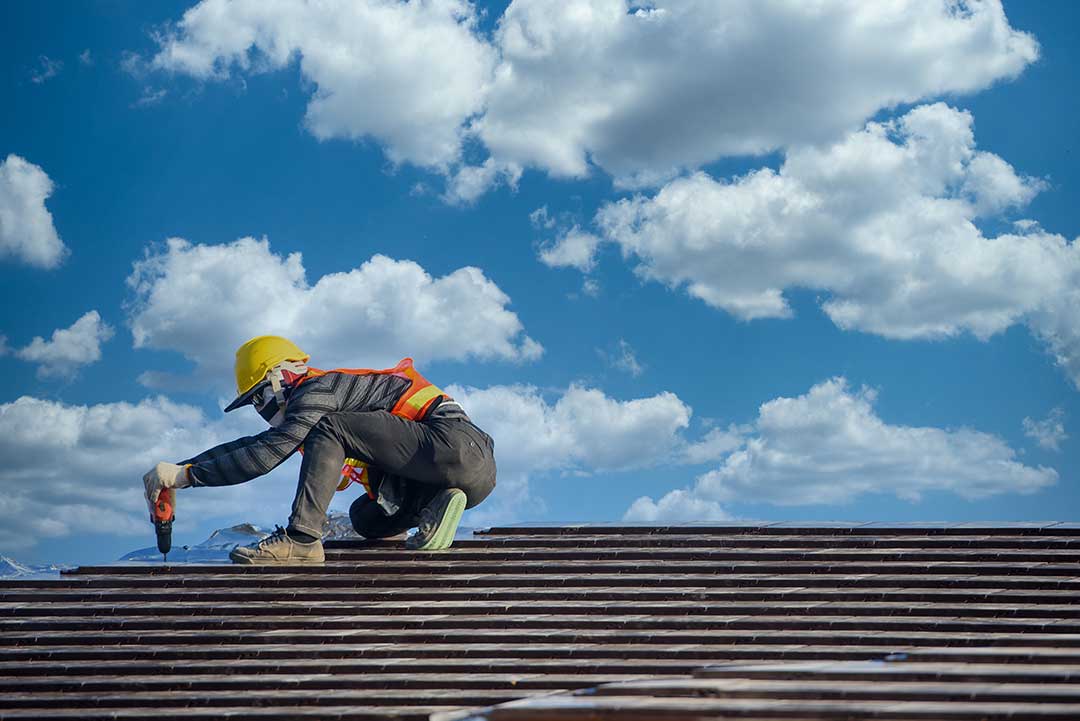
Once construction wraps up, inspect the entire roof—even if renovations occurred elsewhere in the home. Look for:
- Any new cracks, scratches, or soft spots in shingles or metal surfaces
- Displaced flashing or water seals around vents, pipes, and skylights
- Loose debris, lingering fasteners, or blocked gutters
Clearing clogged gutters is especially important after renovations, as stray materials can build up and cause overflow—affecting both the roofline and the home’s foundation. If awkward angles or heights make thorough inspection difficult, use binoculars from the ground or gently move a ladder along the eaves without stepping onto the roof.
Are Certain Home Renovation Projects More Likely to Impact Roofs?
Projects that physically connect to exterior walls, such as additions, dormer windows, or new chimneys, have the greatest chance of affecting adjacent roof sections. Installing solar panels, antennas, or satellite dishes also requires precise, watertight connections to prevent leaks.
Inside remodels rarely touch the roof directly, but major ventilation upgrades (bath vents, kitchen fans, or HVAC systems) may need new roof penetrations. Ensure proper weatherproof flashing is installed immediately to maintain protection against rain and snow common in Lyons.
What Do Many Homeowners Overlook When Protecting Their Roof?
Some practical details often slip through the cracks, including:
- Failing to check the attic after renovations for signs of moisture or daylight—both point to a breach above
- Skipping a final roof check if the weather remained dry during the project; leaks may only show up after the next downpour
- Letting temporary coverings (like tarps) remain for more than a day or two after completion, which can trap moisture and lead to rot or mold
Homeowners can prevent long-term issues by combining routine visual checks with timely removal of all temporary materials.
