
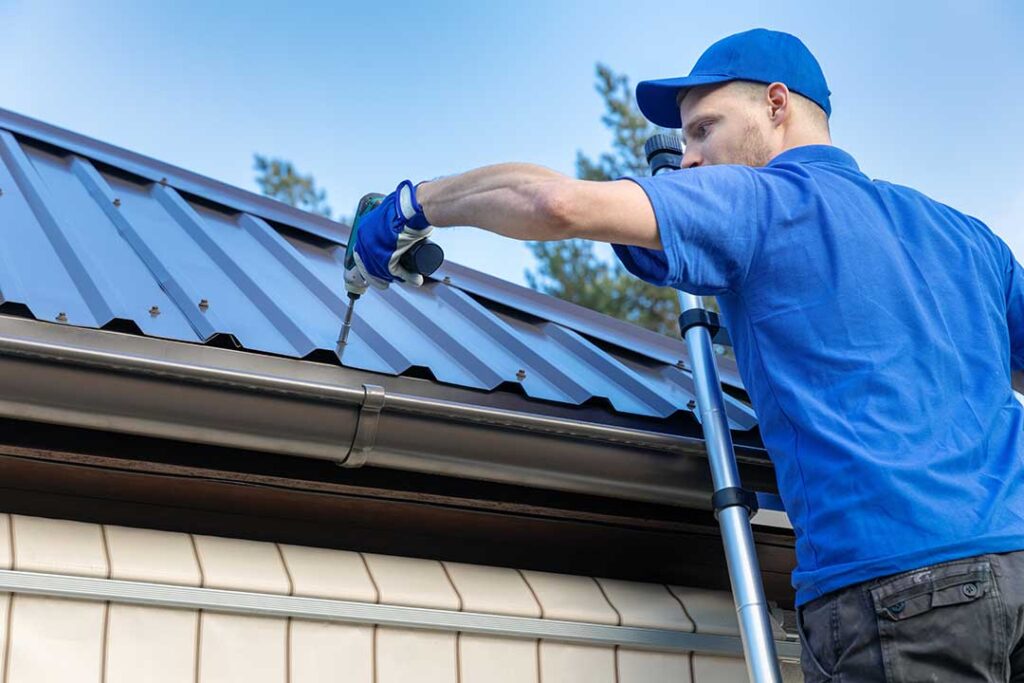
Why Do Local Residents Walk on Their Roofs?
In Lyons, NY, many homeowners find themselves needing to access their roofs for routine maintenance, gutter cleaning, inspections after winter storms, or removing debris. While these are common seasonal tasks, safely navigating a roof is not as simple as climbing a ladder. Area homes often have steep-pitched roofs with asphalt shingles, and weather conditions such as moss or leftover snow can make surfaces especially slippery.
What Should You Check Before Stepping Onto a Roof?
Always assess both weather conditions and the roof’s structure before ever setting foot on it. Never walk on a roof that is wet, icy, or covered in snow; even brief thaws in the area can leave hidden slick spots, especially on north-facing slopes. Inspect the roof from the ground first, looking for loose shingles, visible sagging, or signs of rot. If you notice weak spots or obvious damage, walking the roof could increase the risk of falls or further harm the structure.
What Safety Gear Helps Improve Stability?
Use gear designed to increase traction and prevent falls. Non-slip, soft-soled shoes—preferably designed for roofing—offer the best grip on shingles. Sturdy gloves protect your hands as you climb and move materials. If you plan to spend more than a few minutes on a roof, consider a safety harness system secured to a stable anchor point, even for single-story homes common in local neighborhoods.
Helmet use is rare for simple inspections, but those working near roof edges, on higher slopes, or around awkward obstacles may benefit from additional head protection. Choose clothing that fits snugly but allows freedom of movement, avoiding loose ends that could catch on gutters or vents.
How Do You Safely Use a Ladder to Access the Roof?
Proper ladder setup is crucial, especially on lawns or uneven ground found in Lyons’ residential areas. Always place the ladder on flat, firm ground, extending the ladder three feet above the edge of the roof for stable entry and exit. Anchor the ladder’s feet and top, if possible.
Guide for safe ladder positioning:
- Use the “4 to 1” rule: for every four feet of height, place the base one foot from the wall.
- Make sure the ladder locks are engaged before climbing.
- Maintain three contact points (two hands and one foot, or two feet and one hand) at all times on the ladder.
How Should You Move Once on the Roof?
Move slowly and deliberately, keeping your weight balanced over your feet. Stay low and avoid standing upright unless absolutely necessary. Walking perpendicular to the roof’s ridge (side to side) is usually safer than walking up or down the slope, as this gives better stability.
Try to step on the lower parts of shingles rather than the raised tabs, and avoid uneven areas where boards may flex under your weight. If the roof pitch is steep, crawl or scoot on all fours for greater stability.
Pay attention to:
- Proximity to edges—keep a safe distance, especially if the roof is wet.
- Tripping hazards like vent pipes, satellite mounts, or skylight edges.
- Warning signs of instability, such as soft spots or creaking.
What Special Considerations Apply to Lyons Roofs?
Local climate means roofs here often face heavy snow in winter and moss or algae growth in shaded areas. Both create slippery surfaces that may not be obvious at first glance. Before getting on the roof, use a long-handled broom to clear off loose leaves, moss, and tree debris. Be cautious of frost patches, even on clear mornings.

Some older Lyons homes feature slate or metal roofs. Slate is fragile and can break under normal weight, while metal becomes extremely slippery when damp—making both less suitable for foot traffic. For these roof types, only venture out if absolutely necessary, and distribute weight as broadly as possible.
Are There Local Regulations or Short-Term Hazards to Consider?
While basic roof access by homeowners is common, Lyons does not have specific codes prohibiting individuals from walking on their own roofs. However, repeated foot traffic can void material warranties or damage certain shingles. If your property is in a historic part of the community, local or HOA rules might require special precautions to avoid altering the roof’s appearance or structure.
Watch for nesting birds, wasps, or other wildlife that may be startled and pose sudden hazards.
When Is Walking on a Roof Not Recommended?
Strong winds, active precipitation, or temperatures near freezing all make roofs more hazardous. If the roof’s pitch exceeds about 6:12 (meaning for every 12 inches across, the roof rises more than 6 inches), typical in some area homes, simple walking becomes risky without professional-level equipment.
If you have doubts about structural safety, or if any surface looks rotten, covered in moss, or unstable, stay off the roof and seek further assessment. Falls from single-story homes, common in the area, still result in serious injuries.
What Are Some Common Mistakes to Avoid?
Local residents sometimes underestimate the risks of working on even moderately sloped roofs. Some overlooked hazards include:
- Wearing sandals or shoes with worn-out soles
- Poor ladder placement or using damaged ladders
- Standing upright and moving quickly along sloped surfaces
- Failing to check for old nails or lifted shingles that could catch feet
Many accidents also occur when individuals try to carry tools or supplies up ladders or onto roofs in one trip, rather than planning safe, multiple trips.
Final Thoughts: Community Resources and Shared Wisdom
Lyons residents who keep roofs in good shape through cautious, seasonal inspection help protect their homes—and reduce long-term costs. Talking with neighbors about local conditions or lessons learned from area storms can also offer practical guidance. For those facing unique roof types or steep pitches, reading roof manufacturer guidelines on safe foot traffic is worthwhile.
