
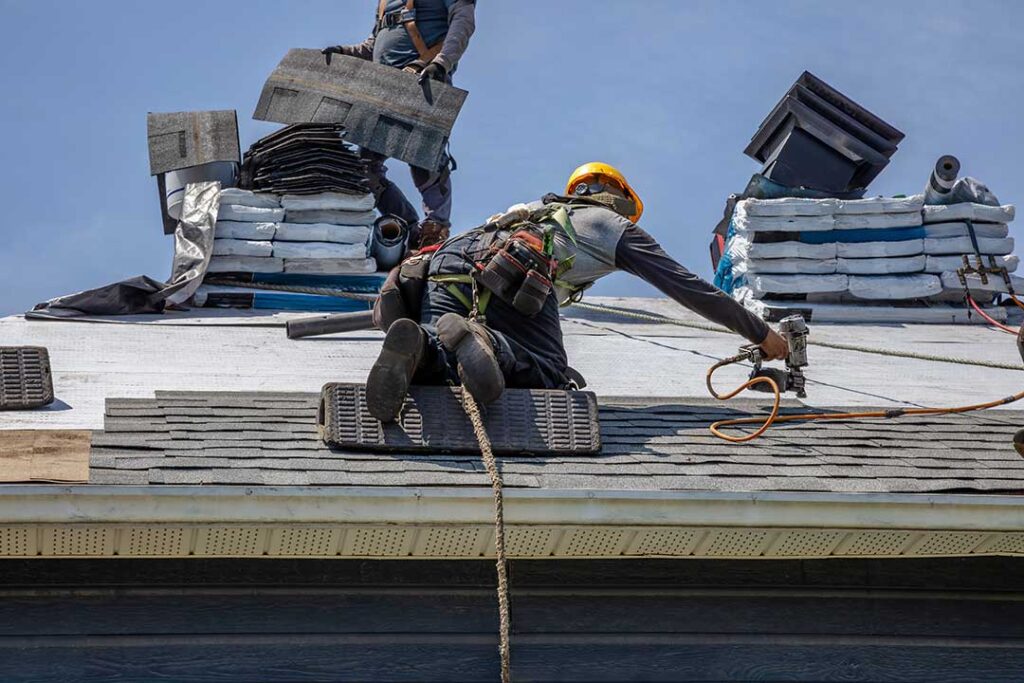
A roof can look new and still have installation problems that shorten its service life. In Lyons, NY, where roofs must withstand snow, freeze-thaw cycles, wind, rain, and summer heat, small installation errors can become visible as leaks, shifting materials, or premature deterioration.
Poor installation does not always mean the roofing materials were defective. More often, the problem involves incorrect fastening, inadequate flashing, poor ventilation, improper alignment, or failure to account for the structure beneath the roof.
What are the earliest signs of poor roof installation?
The first warning signs are often subtle. Uneven shingle lines, exposed fasteners, loose materials, and small areas of water staining may appear before a major leak develops.
Look at the roof from the ground, attic, and upper levels of the home if they can be reached safely. Early indicators include:
- Shingles that appear wavy, buckled, lifted, or out of alignment
- Roofing edges that do not form straight, consistent lines
- Missing tabs, exposed nails, or nails placed too high on the shingle
- Shingles that are loose shortly after installation
- Metal flashing that is bent, separated, or visibly incomplete
- Granules collecting heavily in gutters soon after the roof was installed
- Water marks on ceilings, walls, or attic framing
- Daylight visible through roof boards in the attic
A single irregular shingle may not prove that the entire roof was installed poorly. Several irregularities in the same area, especially around valleys, chimneys, vents, or roof edges, deserve closer attention.
Why do crooked or uneven shingles matter?
Shingles should generally form consistent courses with properly aligned edges. Crooked rows can indicate rushed layout, poor chalk-line work, incorrect spacing, or installation over a surface that was not adequately prepared.
Uneven shingles may not leak immediately, but they can create weak points. Misaligned pieces may not overlap as intended, and wind can more easily catch lifted edges. On a roof exposed to winter weather and repeated temperature changes, those small openings can expand over time.
Buckling may also indicate an uneven deck, inadequate fastening, trapped moisture, or poor ventilation. If the roof appears wavy across broad areas rather than in one isolated spot, the issue may involve the underlying roof deck instead of the shingles alone.
What do exposed or misplaced nails indicate?
Roofing nails must be placed in the manufacturer’s designated fastening area and driven flush with the shingle surface. Nails driven too high may fail to secure the shingle’s lower portion. Nails driven too deeply can cut into the material and reduce holding strength.
Common installation-related nail problems include:
- Nail heads left exposed to weather
- Nails driven at an angle
- Fasteners placed above the intended nailing line
- Too few fasteners used on each shingle
- Nails driven through flashing where they create avoidable leak paths
Exposed nails can rust or allow water to travel through the roof assembly. In areas that receive snow and wind, improper fastening can increase the chance of shingle movement or loss.
Which roof areas reveal installation mistakes most clearly?
Roof transitions and penetrations often expose poor workmanship before open roof surfaces do. These areas require careful detailing because water does not always travel straight downward.
Inspect, from a safe location, the areas around:
Valleys
A valley channels water from two roof planes. It should have a consistent, durable water-shedding detail. Signs of trouble include exposed underlayment, irregular shingle cuts, gaps, lifted edges, or heavy staining below the valley.
Chimneys and walls
Flashing should direct water around the chimney or wall intersection. A common mistake is relying on surface sealant instead of properly integrated flashing. Sealant can crack, shrink, or separate as temperatures change.
Plumbing vents and roof vents
The flashing around a vent should lie flat and connect properly with the surrounding shingles. Cracked, lifted, or poorly positioned flashing can cause leaks that appear far from the actual entry point.
Eaves and rakes
Roof edges need appropriate protection from wind-driven rain and ice-related water movement. Missing edge components, visible underlayment, or shingles that extend unevenly can indicate incomplete installation.
Can poor ventilation be mistaken for a roofing-material problem?
Yes. Inadequate attic ventilation can cause problems that resemble defective shingles. Excess heat and moisture may contribute to premature aging, condensation, damp insulation, mold growth, and warped roof decking.
A properly functioning attic generally needs balanced air movement, with intake near the lower roof edges and exhaust near the upper roof area. Blocking soffit openings, relying on too few vents, or installing exhaust ventilation without adequate intake can reduce performance.
In Lyons, winter conditions make attic moisture especially relevant. Warm indoor air can enter a cold attic through gaps around light fixtures, attic hatches, ducts, and plumbing penetrations. If ventilation and air sealing are both inadequate, frost or condensation may form and later appear as roof leakage.
Ventilation alone does not solve every moisture problem. Attic air leakage, insulation placement, bathroom exhaust routing, and roof design also matter.
What indoor signs point to an installation problem?
A roof leak may not appear directly beneath the damaged area. Water can travel along rafters, decking, insulation, or interior finishes before becoming visible.
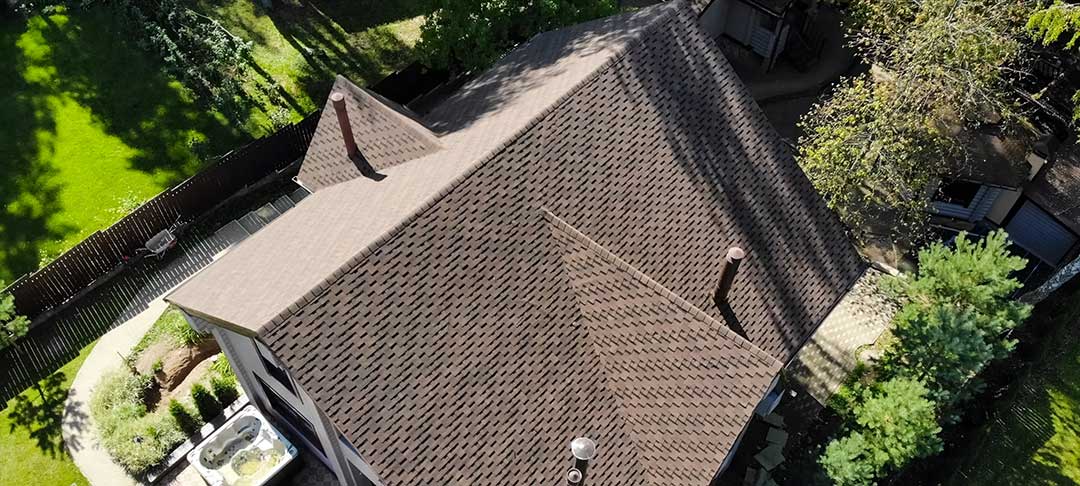
Watch for:
- Brown or yellow ceiling stains
- Peeling paint near upper walls
- Damp attic insulation
- Musty odors after rain
- Drips during snowmelt or heavy weather
- Rust on metal fasteners or framing connectors
- Wet areas around chimneys, skylights, or ceiling penetrations
Stains that appear only during certain weather conditions can still indicate a roof problem. Snow, ice, wind direction, and freeze-thaw cycles may expose weaknesses that remain dry during ordinary rainfall.
Does an early roof failure always mean bad installation?
No. A roof can fail early because of storm damage, an unsuitable material choice, hidden structural problems, poor attic moisture control, manufacturing defects, or maintenance issues.
However, early failure combined with visible installation defects is more concerning. Examples include shingles blowing off during ordinary wind, recurring leaks near multiple penetrations, widespread buckling, or flashing that was visibly incomplete from the beginning.
Roof age and weather history should be considered before drawing a conclusion. Photographs taken during installation, invoices describing materials, and records of when symptoms first appeared can help distinguish installation problems from later damage.
What should residents check safely?
Ground-level observation is usually the safest first step. Binoculars can help reveal lifted shingles, missing pieces, open flashing, or irregular roof lines without climbing.
From inside the home, inspect the attic only if there is safe flooring, adequate lighting, and no electrical or structural hazards. Look for moisture stains, compressed insulation, rust, mold-like growth, and daylight around roof penetrations.
Avoid walking on a steep, wet, icy, or damaged roof. Roof surfaces can be slippery even when they appear dry, and concealed damage may not support a person’s weight. Safety concerns are one of the situations in which an experienced, properly equipped roofing inspector may be necessary.
What is the difference between a repair issue and a larger installation defect?
A localized issue may be repairable when it involves one damaged vent boot, a small flashing failure, or a limited number of displaced shingles. A broader installation defect is more likely when the same problem appears across multiple roof sections.
Patterns are especially significant:
- Repeated leaks at different roof penetrations
- Widespread misaligned or buckled shingles
- Similar fastening errors across the roof
- Missing edge protection in several locations
- Persistent attic moisture after a relatively recent installation
- Roof decking that feels uneven across large areas
The goal is not simply to find the most visible defect. A proper evaluation should consider how the roof covering, flashing, underlayment, ventilation, edge details, and supporting deck work together.
For homeowners in the area, regular visual checks after major wind, snow, and ice events can identify small defects before water reaches insulation, ceilings, or structural wood. Keeping dated photographs and written notes about leaks can also make it easier to track whether a problem is isolated or spreading.
