
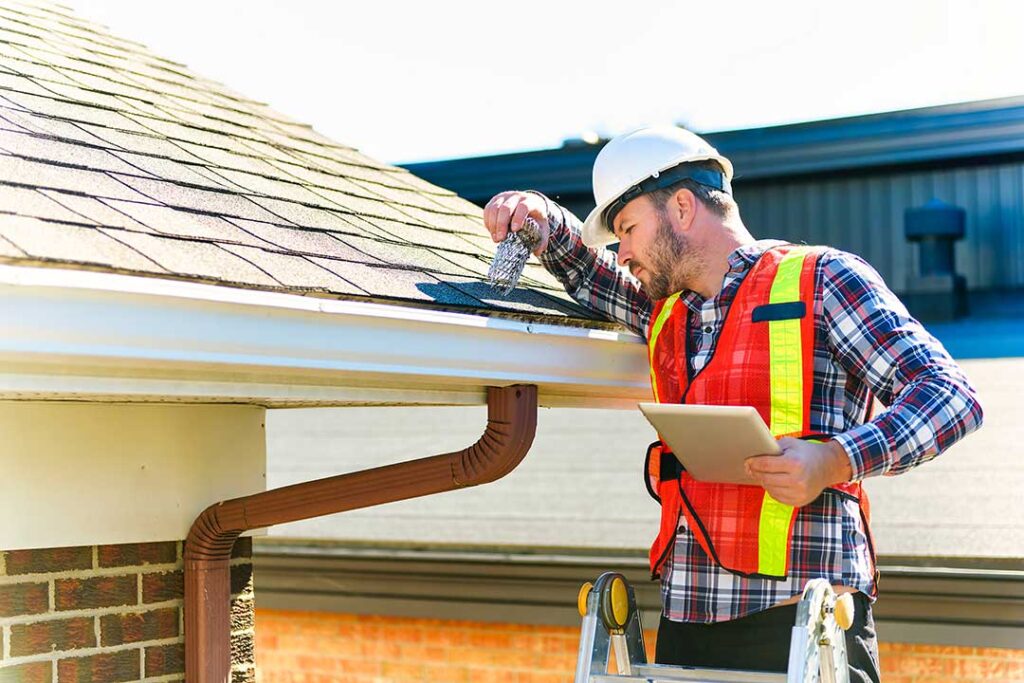
What is a cool roof?
A cool roof is designed to reflect more sunlight and absorb less heat than a conventional dark roof. Its surface may use reflective materials, lighter colors, special coatings, or roofing products engineered to reduce heat buildup.
The term does not mean the roof stays cold in every season. It means the roof generally reaches a lower temperature under strong sunlight, especially during warm weather. A cooler roof can reduce heat transfer into the attic and living areas below.
For households in Lyons, seasonal temperature swings make roofing choices more complicated than simply selecting the most reflective material available. Summer heat, winter moisture, snow, wind, ice, and long periods of cloud cover all affect how a roof performs.
How does a cool roof reduce indoor heat?
A roof exposed to direct sunlight can become much warmer than the surrounding air. Some of that heat moves through the roof assembly into the attic. From there, it can raise indoor temperatures, increase air-conditioning demand, and make upper rooms uncomfortable.
A cool roof helps in two main ways:
- Solar reflectance: The roof reflects a greater share of incoming sunlight instead of absorbing it.
- Thermal emittance: The roof releases absorbed heat more effectively rather than holding it near the surface.
The benefit is usually most noticeable on sunny summer afternoons. Rooms directly beneath the roof may stay more comfortable, particularly when the attic also has adequate insulation and ventilation.
A cool roof is not a substitute for attic insulation, air sealing, shade, or efficient ventilation. If heat can easily pass through the ceiling or attic floor, reflective roofing alone may provide only a modest improvement.
Can a cool roof lower energy bills?
It can, but the amount depends on the building and the roof system. A single-story home with a low-insulated attic may experience more noticeable heat reduction than a well-insulated home where little heat reaches the living space.
Potential energy benefits include:
- Less air-conditioning use during hot weather
- Reduced afternoon temperature buildup in upper rooms
- Lower heat stress on cooling equipment
- More stable indoor temperatures during sunny periods
Savings are usually smaller in homes without air conditioning, homes shaded by mature trees, or buildings with well-insulated attics that already limit heat transfer. In a climate with relatively moderate summers, the financial payback may be slower than in areas with long, intensely hot cooling seasons.
The most accurate way to evaluate the benefit is to consider the entire roof and attic assembly rather than the roof color alone.
Are cool roofs useful in a four-season climate?
Yes, although the balance between summer and winter performance matters. A reflective roof can reduce unwanted solar heat gain during summer, but winter heating needs should also be considered.
In Lyons, roofs must manage more than sunlight. They also face freezing temperatures, snow accumulation, wind-driven rain, freeze-thaw cycles, and periods of high humidity. A roofing material should therefore be evaluated for durability, water shedding, flashing performance, ice-dam resistance, and compatibility with the existing structure.
Some homeowners worry that a cool roof will make winter heating substantially more expensive. In most homes, the effect is limited because winter sunlight is weaker, days are shorter, and the roof is often covered by cloud, frost, or snow. Heat loss during winter is more strongly influenced by insulation, air leakage, attic access points, and ventilation.
A properly designed roof should address both seasons rather than maximizing reflectivity at the expense of moisture control or durability.
Do light-colored shingles always create a cool roof?
No. Color can influence roof temperature, but it is not the only factor. Two roofs with similar colors may perform differently because of their materials, surface coatings, granule design, age, and installation condition.
A roof’s practical performance also depends on:
- The roof’s slope and orientation
- The amount of shade from trees or nearby structures
- Attic insulation levels
- Ventilation at the eaves and ridge
- Air sealing around penetrations
- Roof condition and remaining service life
A lighter roof may reflect more sunlight than a dark roof, but a product’s tested reflectance and emittance values provide more useful information than appearance alone. Some roofing materials are specifically manufactured to improve solar reflectance without relying only on a very light color.
What are the environmental benefits?
Cool roofs can reduce local heat buildup by lowering the amount of heat released from buildings into the surrounding area. They may also reduce electricity demand during periods when many buildings are using air conditioning at the same time.
The environmental value is greatest when a roof remains effective for many years and does not require premature replacement. Manufacturing, transporting, installing, and disposing of roofing materials all require energy and resources.
For that reason, durability matters. A highly reflective roof that fails early may provide fewer overall benefits than a long-lasting roof with somewhat lower reflectance. Repairability, recycled content, disposal requirements, and the expected service life should be considered together.
Can a cool roof prevent ice dams?
No. A cool roof does not automatically prevent ice dams.
Ice dams form when heat escapes into the attic, warms part of the roof, melts snow, and allows water to refreeze near colder eaves. A reflective surface may reduce some solar heating, but it cannot correct major air leaks or inadequate insulation.
Important ice-dam controls include:
- Sealing attic air leaks around lights, wiring, ducts, and access openings
- Installing sufficient insulation at the attic floor
- Maintaining balanced intake and exhaust ventilation
- Using appropriate water-shedding protection at vulnerable roof edges
- Keeping gutters and drainage paths clear
Snow, shade, roof geometry, and weather conditions also affect ice-dam risk. A roof that performs well in summer may still need careful winter detailing.
Is a cool roof worth considering during replacement?
It may be worth considering if the roof is already due for replacement, especially when the attic becomes uncomfortably hot or cooling costs are a concern. Adding reflectivity during planned replacement is usually easier than changing a roof that is otherwise in good condition.
The decision should account for:
- Existing roof age and condition
- Attic insulation and ventilation
- Roof slope and exposure to sunlight
- The home’s cooling habits
- Expected service life of the material
- Local requirements for roofing work
- Snow, wind, and moisture management
Replacing a sound roof solely to obtain a cooler surface may not be financially sensible. Improvements to attic insulation and air sealing can sometimes provide greater comfort benefits at a lower cost, particularly where the roof itself is still serviceable.
What should residents look for in product information?
Product labels and technical documents may list solar reflectance, thermal emittance, solar reflectance index, fire performance, wind resistance, and expected durability. These measurements can help compare products more fairly than color names alone.
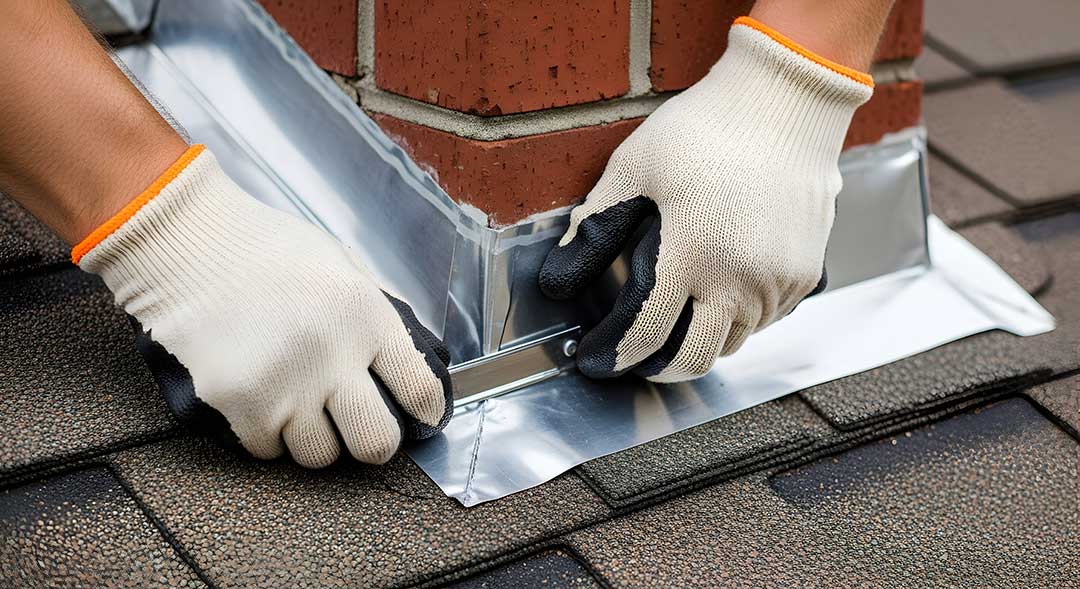
It is also useful to ask whether the material is appropriate for the existing roof design and local weather exposure. A roofing product must still be installed with sound flashing, proper underlayment, adequate drainage, and secure edge details.
A cool roof works best as part of a complete building system: a durable roof surface, a dry and well-ventilated attic, sufficient insulation, controlled air leakage, and drainage that can handle rain and melting snow.
