
What Are Roof Coatings and Why Might Local Residents Consider Them?
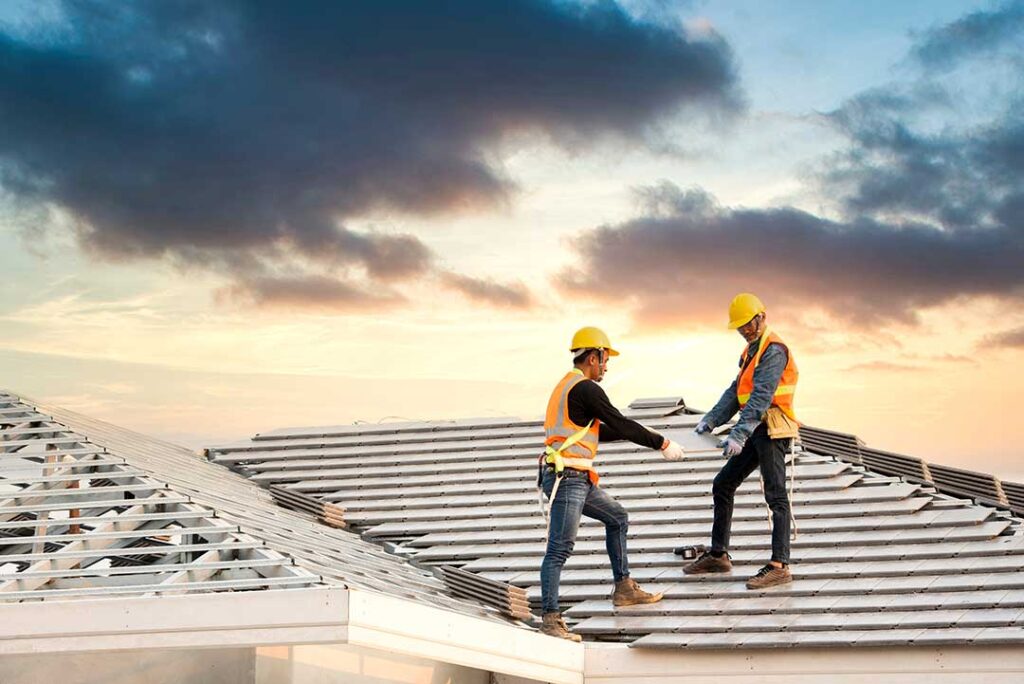
Roof coatings are liquid-applied membranes designed to protect or extend the life of existing roofing. In Lyons, NY, where roofs face snow, rain, and fluctuating temperatures, some homeowners look to coatings as a preventive maintenance option. They don’t replace a full roof, but can add a protective layer to certain types of surfaces.
Can Roof Coatings Help with Local Weather Challenges?
Yes, roof coatings can address some weather-related concerns. These products, often made from acrylic, silicone, or asphalt-based formulas, are used to shield the underlying roof from moisture intrusion, UV rays, and minor temperature swings. For Lyons, where winters bring freeze-thaw cycles and summers see strong sun, coatings may help:
- Reduce thermal expansion/contraction that leads to cracking on older roofs
- Reflect sunlight to lower roof surface temperature slightly in summer
- Add a waterproof layer that can delay leaks from small cracks or worn areas
Keep in mind, coatings are most helpful for flat or low-slope roofs commonly found on garages, additions, or certain residential styles. Steep shingles are usually less compatible.
What Are the Main Advantages of Roof Coatings?
Applying a roof coating can offer a set of practical benefits, especially compared to a full replacement:
- Cost Savings: A professional-grade coating is generally much less expensive than tearing off and replacing the roof.
- Extended Service Life: By blocking water and UV, coatings can delay the need for more significant repairs or replacement.
- Energy Efficiency: Some coatings are “cool roof” certified, reflecting more sunlight and cutting attic heat gain.
- Quick Installation: For many flat roofs, a coating can be installed in a day in good weather.
- Minimal Disruption: There’s little noise or debris, and most local families can remain at home during application.
These advantages are most significant for roofs that are still structurally sound but showing signs of surface-level wear.
What Are the Limitations and Potential Downsides?
While coatings offer clear benefits, they are not a universal solution:
- Condition Requirements: Roofs with significant structural damage, rotted decking, or large leaks will not benefit from a coating.
- Temporary Fix: Coatings can delay bigger repairs, but won’t “heal” deep cracks, worn shingles, or underlying rot.
- Surface Compatibility: Most coatings are designed for flat or low-slope surfaces like modified bitumen, built-up, or certain metal roofs—not traditional steep-slope asphalt shingles.
- Longevity: A typical coating lasts 5-10 years, often requiring regular inspection and future recoating.
- Application Sensitivity: Weather must be dry and above certain temperatures—an issue to plan for in Lyons’ variable seasons.
Are There Misconceptions About Roof Coatings in This Area?
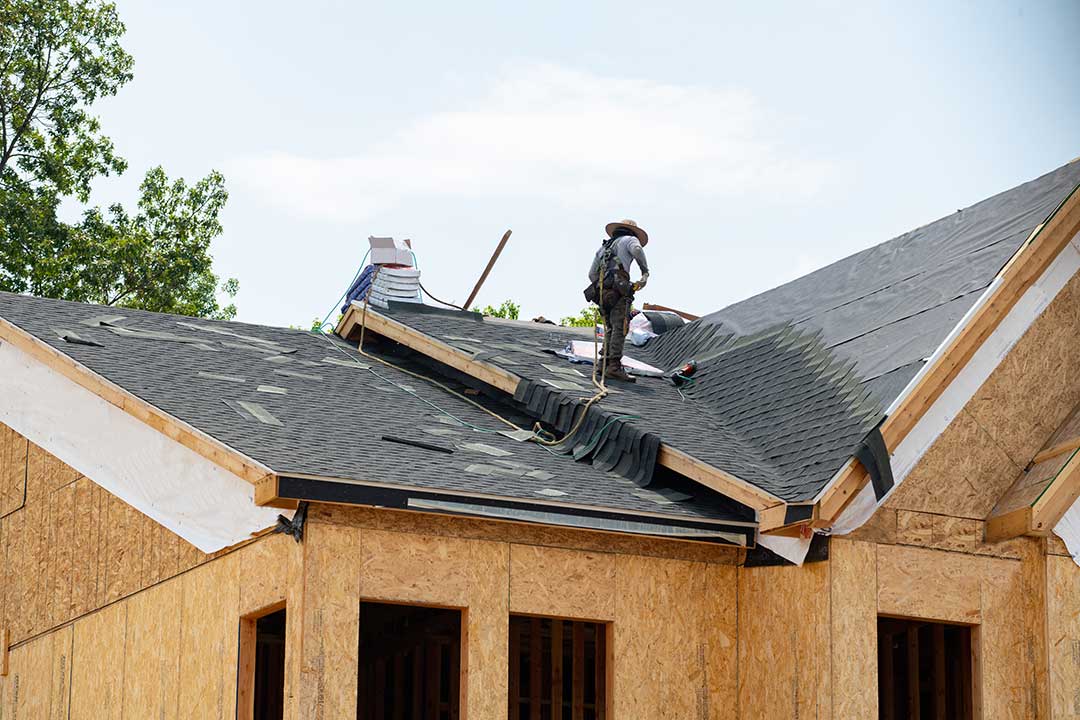
Some local homeowners mistakenly believe a roof coating is a permanent fix for an aging roof, or that it can be used on any material. It’s common to overestimate how much a coating can improve energy efficiency or waterproofing. Applying a coating to incompatible roofs (for example, asphalt shingles) may trap moisture and actually speed up deterioration.
How Does Local Climate Affect Coating Performance?
The region’s freeze-thaw cycles can stress roof coatings unless the product is specifically formulated for flexible performance at low temperatures. In Lyons, coatings that remain elastic as temperatures drop are vital, or cracking can occur in winter. Heavy snow may also pool and test the coating’s ability to withstand standing moisture.
Meanwhile, summer heat and UV rays are factors in coating degradation—choosing a UV-stable option can help prevent premature breakdown and chalking. The city’s climate makes product selection, preparation, and timing especially critical for good results.
What Should Residents Consider Before Choosing a Roof Coating?
Start by evaluating the type and condition of the existing roof. If there are multiple leaks, sagging areas, or signs of rot, a coating is unlikely to help. For roofs that are compatible and in fair shape, factors to weigh include:
- Roof history and age
- Whether prior coatings or repairs are present
- Typical snow load and sun exposure for the area
- Maintenance expectations and comfort with periodic recoating
Residents should also check if any homeowners’ association rules or local codes limit the use of certain coating products.
When Is It Necessary to Get a Roof Inspected Instead?
If there’s any suspicion of structural issues, persistent leaks, or if the roof age isn’t known, a thorough inspection is needed before considering coatings. Safety concerns—like mold, interior water damage, or sagging—always take priority over surface treatments.
What’s the Experience Like for Local Homes That Use Roof Coatings?
Area residents with flat or low-sloped roofs who choose compatible coatings often see a short-term improvement in water resistance and surface reflectivity, provided application is done properly. Proper timing to avoid rain and extreme cold is essential. Maintenance afterward is needed—regular visual checks, cleaning off debris, and planning future refresh applications every several years.
If a coating fails, it’s usually due to hasty surface preparation, unexpected roof movement from heavy snow, or using a product not matched to the roof material.
